Spec Battle: Motorola Moto G Play 2026 vs Travlfi Journeygo 4G Hotspot — Is It Worth Upgrading?
When choosing how to stay connected on the go, buyers often juggle two different approaches: a dedicated mobile hotspot or using a smartphone’s built‑in tethering. The Motorola Moto G Play 2026 and the Travlfi Journeygo 4G Hotspot represent those two choices in the entry to mid tier: a budget-friendly smartphone designed for long battery life and everyday use, and a pocket-sized, purpose‑built device intended to deliver persistent Wi‑Fi for multiple clients. This article examines both products side by side — specs, real‑world behavior, pros and cons, and which buyer profiles stand to benefit from upgrading.
Introduction — Why this comparison matters
Consumers shopping for better mobile connectivity face a tradeoff: convenience and multi‑device support from a hotspot vs. the all‑in‑one utility of a smartphone. For many, the decision to upgrade is less about headline specs and more about real use cases: how long will the battery last during a workday, how many devices can connect without lag, will remote video calls be stable, and how easy is device management? This comparison focuses on the concrete, everyday experiences that matter to travelers, remote workers, parents, and anyone who relies on portable internet.
Overview of the products
Motorola Moto G Play 2026 (what to expect)
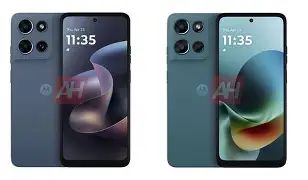
The Motorola Moto G Play 2026 positions itself as a practical, value‑oriented smartphone. It emphasizes long battery life, a simple and near‑stock Android experience, and durable everyday performance. Buyers typically look to this kind of device for reliable daily use: messaging, social apps, streaming video, navigation, and occasional gaming. Its strengths are usually battery endurance and ease of use rather than flagship‑level performance or camera prowess.
Travlfi Journeygo 4G Hotspot (what to expect)
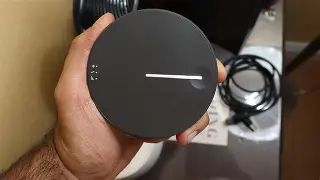
The Travlfi Journeygo 4G Hotspot is a compact, dedicated portable router that connects to cellular data networks and shares a local Wi‑Fi network for other devices. Its primary appeal lies in offloading data traffic from a phone, supporting multiple simultaneous connections, and providing easier network management for groups or short‑term work setups. Hotspots are common among frequent travelers, field crews, and families who want to keep several devices online without draining a smartphone battery.
Detailed product analysis
Design and portability
The Moto G Play retains a conventional smartphone form factor: one‑handed usability, a large screen for media, and a weight that balances battery capacity with comfort. For users who carry a phone anyway, it means no extra device to pack.
The Travlfi Journeygo is deliberately compact and lightweight — small enough to slip into a pocket or bag and often includes physical indicators (LEDs or a tiny display) for signal strength and battery. Because it’s not a phone, it can be tucked away near a window or high point to improve reception without interrupting phone use.
Battery life and charging
One of the Moto G Play’s known selling points is an emphasis on battery capacity. In daily usage — calls, messaging, navigation, streaming — buyers will typically see full‑day endurance, and heavy users often get into a second day with mixed usage. Charging speeds on budget phones are moderate; overnight charging remains the norm for most users.
The Journeygo hotspot focuses battery capacity around sustained tethering. Because Wi‑Fi radios and the cellular modem both draw power under load, a hotspot’s runtime depends heavily on the number of connected devices and the cellular signal. Practically, hotspots are designed to provide multi‑hour coverage for small groups and often include power‑saving modes or optional pass‑through charging to keep them online during long sessions.
Connectivity and real‑world performance
Both devices use 4G LTE as the primary cellular transport. In real networks, performance depends on carrier coverage, network congestion, and the device’s modem category. For the Moto G Play, tethering from phone to laptop is convenient but can drain the phone’s battery quickly if used for long periods or by many devices. The hotspot’s advantage is sustained throughput and the ability to place it optimally for signal reception.
Travelers and remote workers should note that a dedicated hotspot often handles more simultaneous clients (useful for families or small teams), and some models implement better thermal and radio management under load than a phone repurposed for tethering.
Software, ease of use, and security
Motorola usually ships a near‑stock Android skin with straightforward settings for tethering. It benefits users who want a single device for calls and connectivity. Software updates and security patches depend on the manufacturer’s policy — an important consideration for long‑term ownership.
Shop the latest Mobile Phones picks on Amazon.
View Offers →Travlfi’s hotspot firmware tends to be simpler: an admin web UI or mobile app to view connected devices, change SSID/passwords, and monitor data use. Security features like WPA2 and occasionally WPA3 are common — buyers should confirm encryption support and ensure default admin credentials are changed. Dedicated hotspots can be easier to lock down for shared use (guest networks, quotas) than a phone used for ad‑hoc tethering.
Cameras and multimedia
If photography or video capture is central, the Moto G Play offers the clear advantage. Even budget smartphones include capable main cameras, and the convenience of having a camera with the phone is compelling for many buyers. The hotspot has no camera and is focused solely on connectivity.
Durability and daily handling
Smartphone durability is measured by build quality, display toughness, and water resistance. Many Moto G Play models aim for practical durability. A hotspot, being smaller and simpler, is less subject to screen damage but must survive being carried and charged frequently.
Pros & Cons
Motorola Moto G Play 2026 — Pros & Cons
- Pros: Long battery life for a smartphone; integrated tethering when needed; full phone functionality (calls, camera, apps); familiar Android experience; single‑device convenience for everyday users.
- Cons: Tethering can significantly reduce phone runtime; fewer concurrent connections under sustained load; modem and thermal limits can throttle hotspot performance; software update cadence may be limited on budget models.
Travlfi Journeygo 4G Hotspot — Pros & Cons
- Pros: Designed for multi‑device connectivity and sustained tethering; typically supports 10+ simultaneous clients; easier to position for best reception; battery optimized for continuous data use; simple admin controls for shared use.
- Cons: Adds another device to carry and manage; no phone features (calls, camera, apps); dependent on battery or external power for long sessions; carrier compatibility and roaming options vary by model and region.
Side‑by‑side comparison table
| Category | Motorola Moto G Play 2026 | Travlfi Journeygo 4G Hotspot |
|---|---|---|
| Primary purpose | All‑in‑one smartphone with optional tethering | Dedicated portable Wi‑Fi router for multiple devices |
| Cellular | 4G LTE modem for phone and tethering | 4G LTE modem optimized for data and multi‑client usage |
| Wi‑Fi | Wi‑Fi for device use and hotspot sharing | Local Wi‑Fi network with multiple client support (SSID & security controls) |
| Battery focus | Long battery for mixed smartphone tasks (calls, apps, media) | Battery designed for sustained tethering; power‑management features |
| Concurrent clients | Good for 1–3 devices (depends on tethering mode) | Built for 5–15 devices, depending on model and network |
| Portability | Everyday carry; doubles as essential device | Small pocketable device; additional item to manage |
| Security & management | Android tethering controls; device encryption and OS security | Admin UI/app for network control, DHCP settings, guest networks |
| Extra features | Phone calls, camera, apps, navigation | May include LED display, power bank or ethernet (model dependent) |
Real‑world use cases and who benefits
Commuters and casual users
For people who primarily need a reliable phone that occasionally shares internet with a laptop or tablet, the Moto G Play is generally the better fit. It avoids the need to carry a second device and offers acceptable tethering for short sessions — checking email, video calls, or light browsing.
Remote workers and digital nomads
Those who regularly depend on a stable connection for long video calls, live streaming, or large file transfers should consider the Journeygo hotspot. A dedicated device can be positioned for the best signal, handle multiple connected devices without overtaxing a phone, and often remains online longer during a workday.
Families and group travelers
Families who want to keep several phones, tablets, and gaming devices online benefit from a hotspot that can host many devices simultaneously. It can prevent a single parent’s phone from losing battery life while tethering and simplifies managing a shared network while traveling.
Rural users and field teams
Where cellular signal is marginal, the ability to place a hotspot near a window, an elevated point, or an external antenna (some hotspot models support this) makes a practical difference. The Journeygo’s focused design often yields a steadier connection in fringe areas compared to phone tethering.
Buying guide — what to check before upgrading
1. Primary need: single device vs. many
Decide whether the connection will mostly serve the phone itself or be shared across multiple clients. If the latter happens daily, a dedicated hotspot is worth considering.
2. Battery endurance under expected load
Check manufacturer claims and user reports for battery runtime under tethering conditions. For hotspots, verify how battery life scales with the number of connected devices. For phones, understand how tethering reduces overall daily endurance.
3. Carrier compatibility and roaming
Confirm that the device supports the frequency bands and network technologies of the intended carriers, especially when traveling internationally. Some hotspots are unlocked and support multiple bands; others are carrier‑locked.
Find top-rated Mobile Phones products at great prices.
View Offers →4. Concurrent connections and performance
Look for practical limits on simultaneous devices from reviews. A model that claims support for 15 devices may handle that many under light loads (browsing), but heavy simultaneous streaming will reveal limits.
5. Security features and management
Ensure robust Wi‑Fi encryption (WPA2/WPA3), changeable SSIDs, and the ability to set passwords or guest networks. For hotspots, confirm whether a management app or web UI provides device blocking, data usage tracking, and firmware update capability.
6. Physical considerations
Portability, display/indicators, physical buttons, SIM tray access, and the presence of USB‑C power pass‑through can influence daily convenience. If carrying an extra device is a burden, that may tip the decision toward a phone upgrade instead of a hotspot purchase.
7. Software updates and long‑term support
For phones, the OS and security update policy matters for device longevity. For hotspots, firmware updates ensure security patches and compatibility improvements — check the vendor’s update track record.
8. Budget and total cost of ownership
Consider the upfront cost plus data plan pricing. Dedicated hotspots sometimes come with separate data plans; in other cases the hotspot will use the same SIM/data plan as a phone. Evaluate which approach leads to lower monthly costs for the expected usage pattern.
Is it worth upgrading?
Whether an upgrade makes sense depends largely on how the device will be used. If the current setup is a smartphone that occasionally provides tethering for light tasks, and battery life and the number of supported devices are acceptable, upgrading may not be necessary. The Moto G Play 2026 is a strong value proposition for buyers who want a dependable phone with decent tethering capability.
Conversely, for buyers who regularly run multi‑device workflows — remote teams, families, or people who need reliable, extended internet sessions while away from fixed broadband — adding a Travlfi Journeygo 4G Hotspot can materially improve connectivity and convenience. The hotspot’s ability to stay online longer, handle more clients, and be positioned for the best signal can outweigh the inconvenience of carrying one more device.
Conclusion
In short, the two devices serve overlapping but distinct needs. The Motorola Moto G Play 2026 is a sensible upgrade for anyone who prioritizes phone features, long battery life, and occasional tethering without managing additional hardware. The Travlfi Journeygo 4G Hotspot is the pragmatic choice for users who need sustained, multi‑client connectivity, better placement for signal reception, and simplified network management for groups.
Buyers should match the device to their routine: choose the Moto G Play if consolidation and everyday phone performance matter most; choose the Journeygo hotspot if persistent group connectivity and tethering performance are essential. Both paths offer clear value — the right one depends on how many devices need to stay online, how long they will be used away from power, and how much convenience matters when managing connectivity on the move.